E A
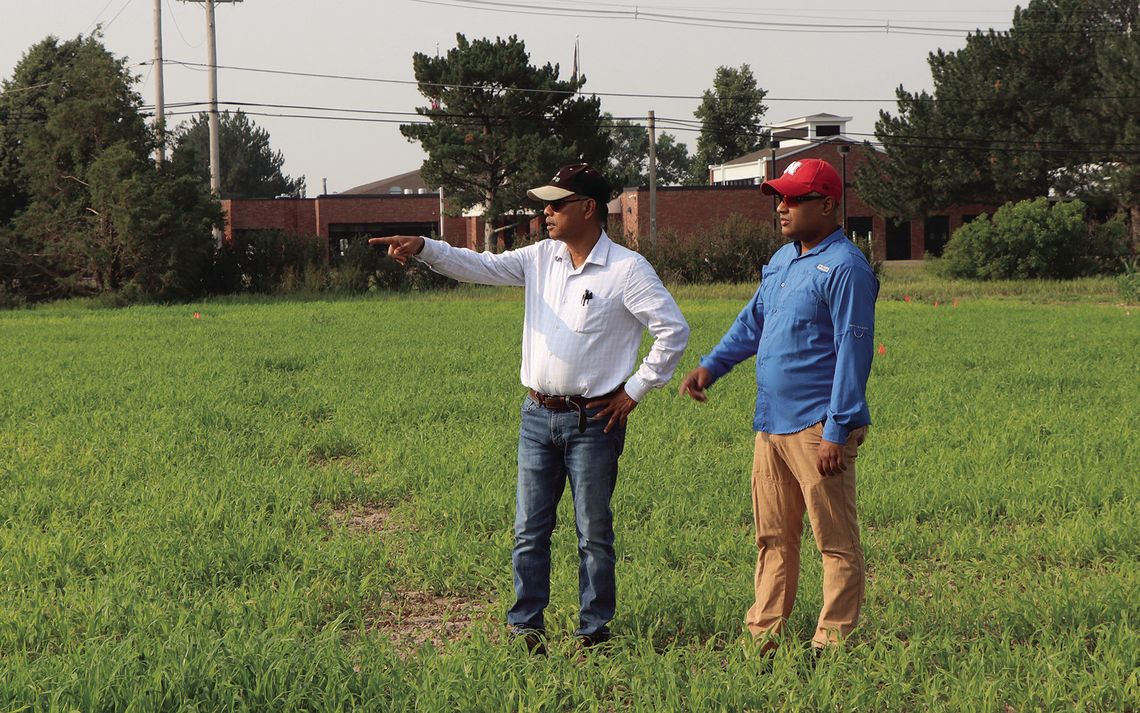
The United States High Plains region often experiences low winter precipitation, impacting its crop productivity. Extensive climate analyses indicate that years with significant precipitation deficits, including dry winters, amplify drought severity. As this season’s winter has brought negligible snow thus far, the risk of severe or even extreme drought could be seen in western Nebraska.
“This calls for amplified efforts to adopt water-use-efficient alternative crops that can buffer major crops during drier years or in the event of crop failure,” said Rituraj Khound, UNL post-doctoral research associate at the Panhandle Research Extension and Education Center in Scottsbluff.
PLEASE LOG IN FOR PREMIUM CONTENT. Our website requires visitors to log in to view the best local news.
Not yet a subscriber? Subscribe today!