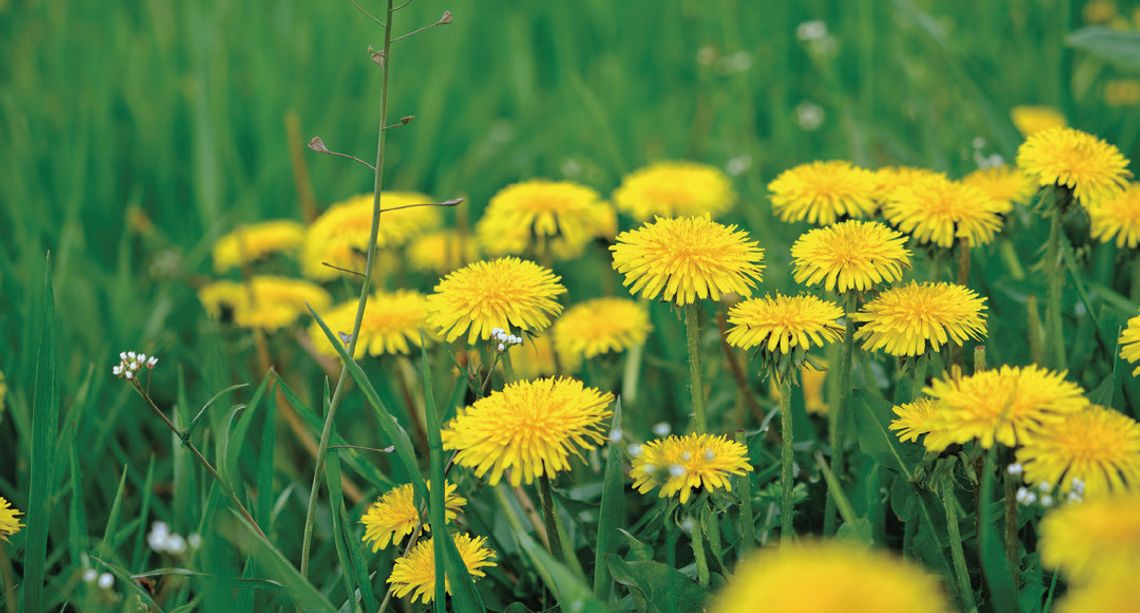
Dandelions: more than yard pests
Dandelions are everywhere, delighting children and frustrating those who prefer a perfect green lawn. “Dandelion” comes from the French “dent de lion”, meaning lion’s teeth, referring to their serrated leaves. Dandelions have a long history of use across various cultures. Ancient Egyptians, Greeks, and Romans used the plant, and they have been incorporated into Chinese traditional medicine for over a thousand years. Every part of the dandelion is edible. Native to Eurasia, dandelions were introduced to North America by colonists in the 1600s who considered them a resilient food and forage plant with medicinal values. Dandelion leaves can be eaten raw or cooked and provide nutrients such as vitamins A, C, K, E, folate, and B vitamins, along with minerals like iron, calcium, magnesium, and potassium. Dandelion flowers are also edible and can be utilized in salads, sautéed dishes, or to make tea, jam, honey, vinegar, and wine.They also have antioxidant properties.The root can be used to make tea and serves as a source of prebiotic fiber. Before consuming dandelions, be sure they have not been treated with herbicides, and avoid harvesting them in areas accessible to pets.
Dandelions belong to the Asteraceae or daisy family.